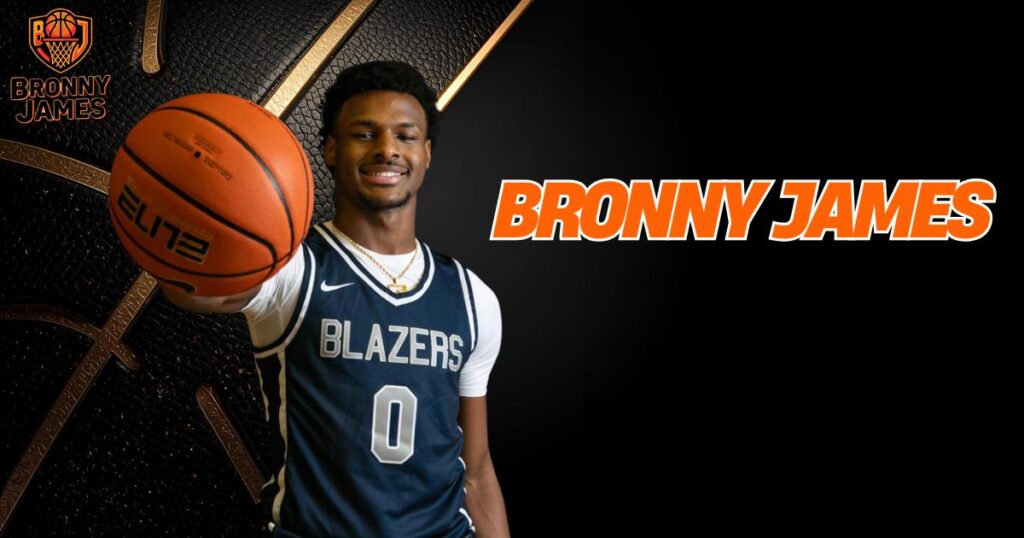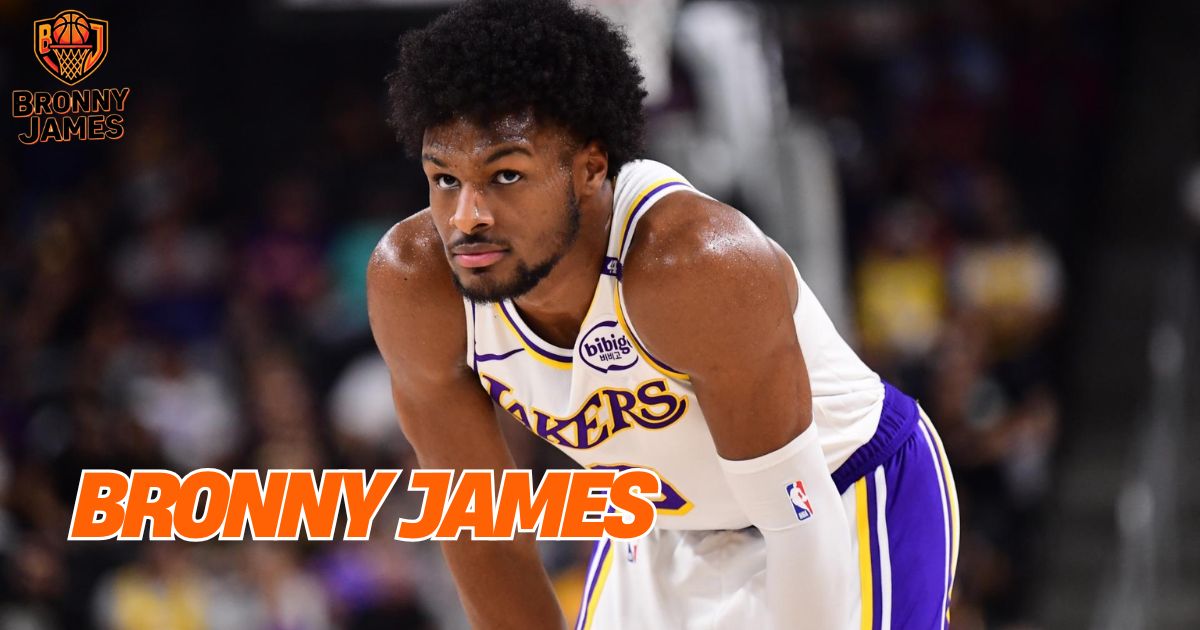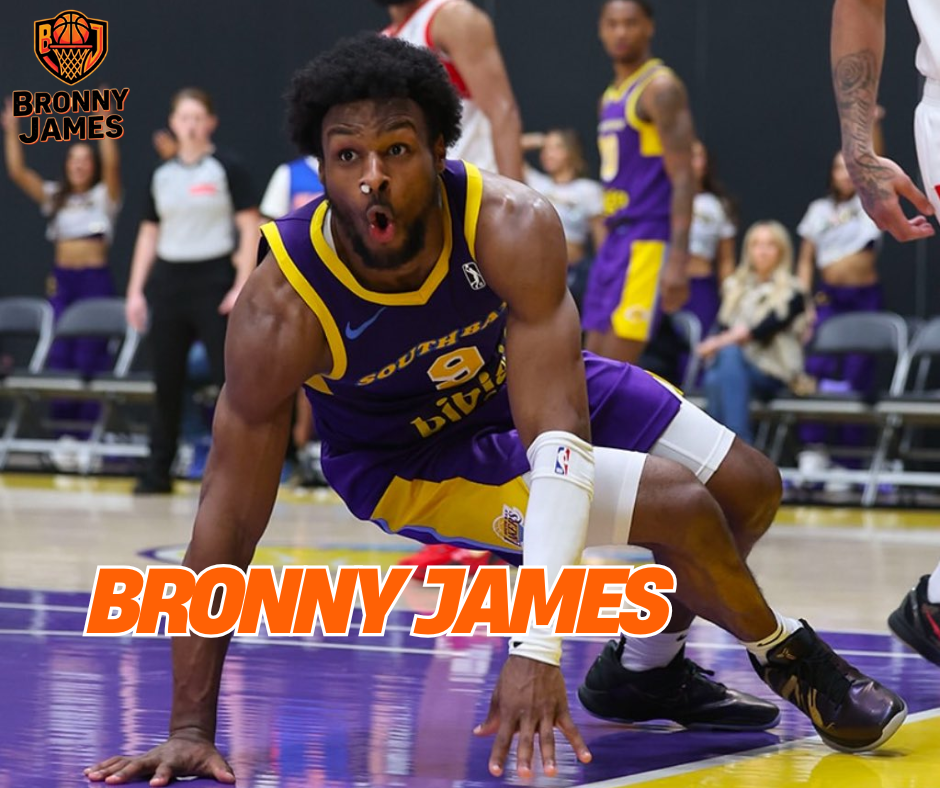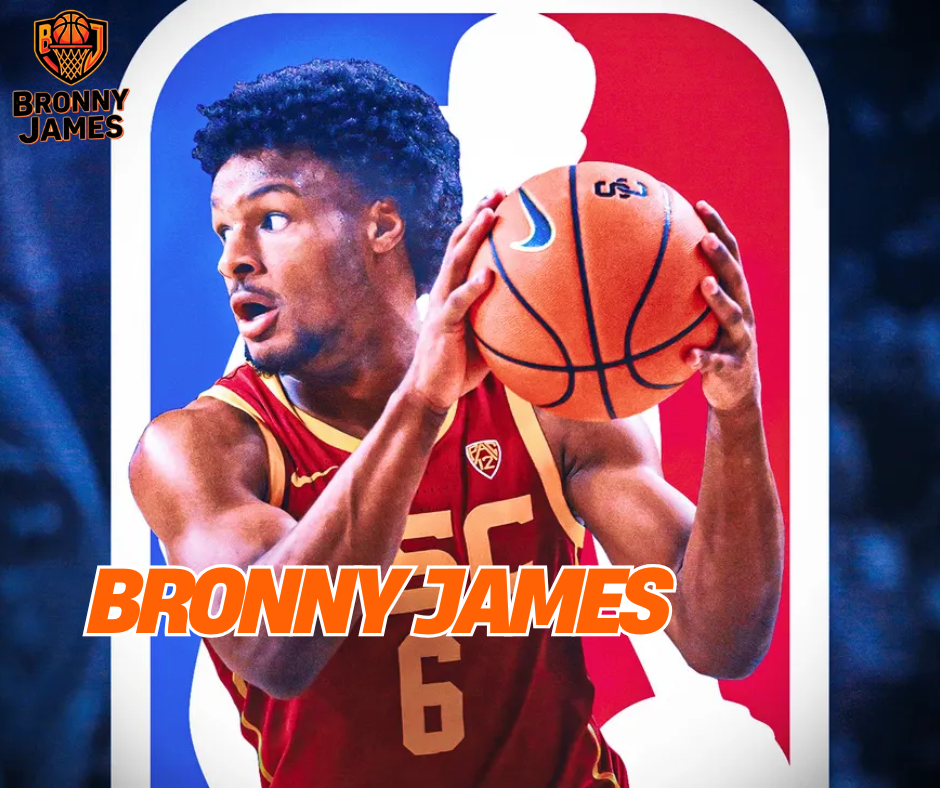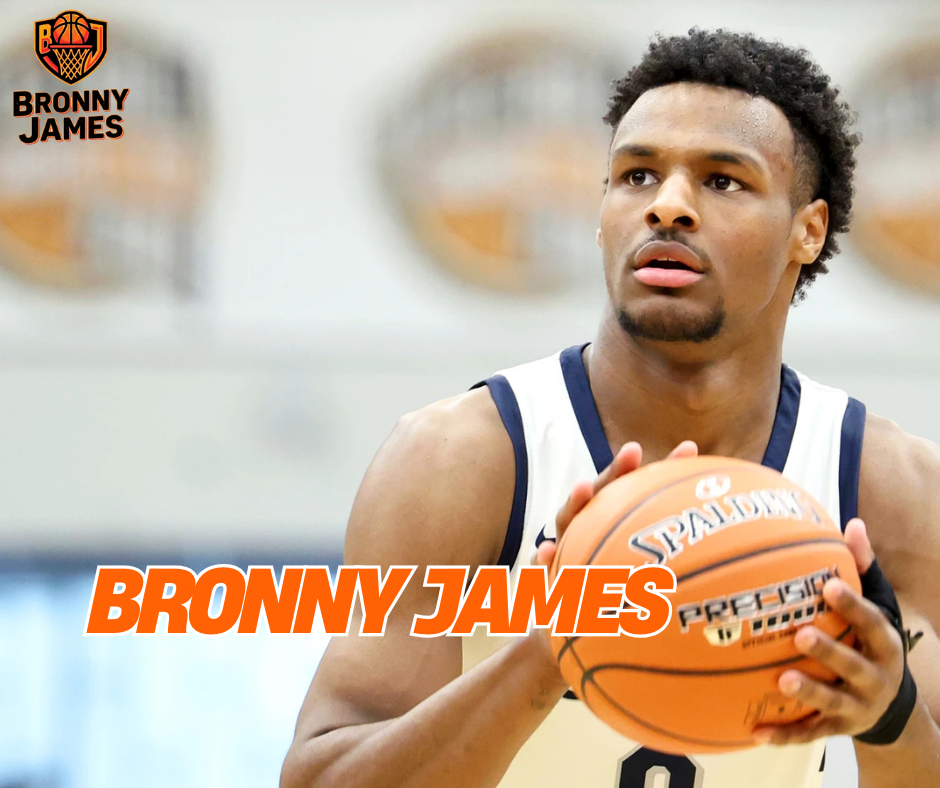

Bronny James

Biography & Early Life of Bronny James

Before the scouting reports, social media debates, and draft projections, Bronny James’ story begins in a context unlike that of almost any other young basketball player. His early life was shaped not only by proximity to greatness, but by a deliberate effort to separate opportunity from entitlement. Understanding this foundation is essential to understanding who Bronny James is as a person and as an athlete.

For a deeper look at the background that shaped him, visit our Biography section.

Birth, Identity, and Family Roots

LeBron Raymone “Bronny” James Jr. was born on October 6, 2004, in Cleveland, Ohio, at a time when his father was still establishing himself as the face of the NBA. From the very beginning, Bronny’s identity carried both a personal and symbolic weight. His name reflected continuity, but his upbringing was designed to encourage independence.

Growing up in the James household meant being surrounded by elite performance standards, but also by structure. LeBron James and Savannah James have often spoken about the importance of routine, accountability, and education. Basketball was always present, but it was never treated as a shortcut to identity or success.

Some defining elements of Bronny’s early environment include:

  • A strong emphasis on schooling alongside sports
  • Exposure to professional athletes without glamorization
  • Clear boundaries between family life and public life

Rather than being raised as a prodigy, Bronny was raised to understand preparation, responsibility, and consequence – values that would later shape how coaches and teammates viewed him.
Bronny James

Growing Up in the Shadow of a Global Icon

Few children in sports history have grown up under the level of attention Bronny James experienced. From youth tournaments to AAU games, his presence alone often attracted cameras, scouts, and national conversation. However, what stands out is how early this attention became normalized rather than distracting.

Instead of isolating him, LeBron James made a conscious effort to expose Bronny to reality. Practices were not softened. Mistakes were not shielded. Coaches were encouraged to treat him like any other player on the roster. This approach helped Bronny develop emotional control and resilience at an age when many young athletes struggle with external pressure.

Observers frequently note that Bronny appears comfortable in high-pressure environments, not because he ignores expectations, but because he learned to coexist with them early on. This psychological grounding would later become one of his most underrated traits.

That early calm shows up again in our Mental Strength coverage of how he navigates expectations.
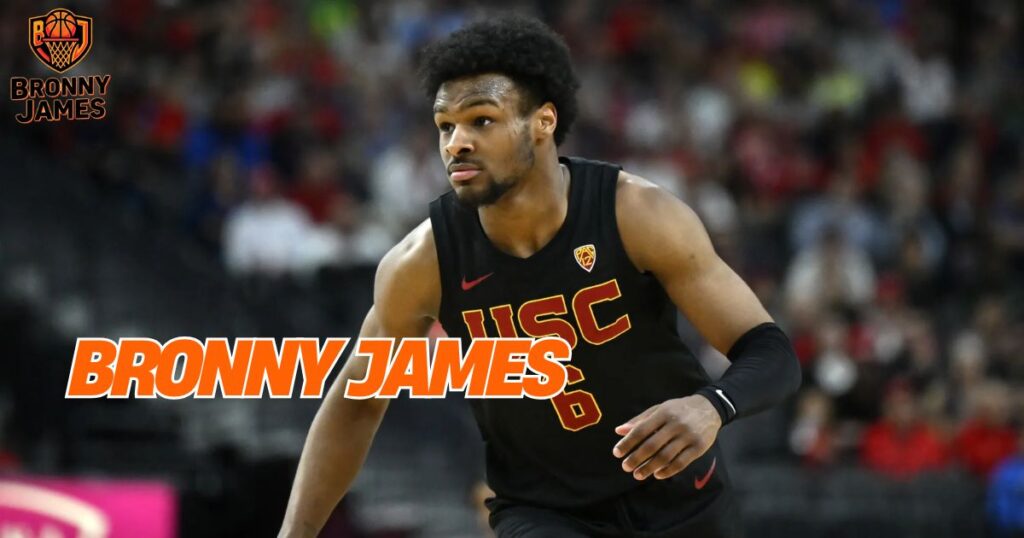
Bronny’s introduction to basketball was organic rather than forced.

Education, Character, and Personal Development

Beyond basketball, Bronny’s upbringing focused heavily on character development. Education was non-negotiable, and personal conduct was monitored closely – especially given the public visibility of the James family.

Savannah James, in particular, played a key role in reinforcing balance. Academic expectations, respectful behavior, and emotional awareness were treated as equally important as athletic success. This holistic approach explains why many who interact with Bronny describe him as reserved, thoughtful, and grounded.

Rather than growing up chasing validation, Bronny learned early how to navigate attention without being defined by it.

Early Exposure to Basketball and Athletic Discipline

Bronny’s introduction to basketball was organic rather than forced. He spent time around NBA practices, training facilities, and locker rooms, absorbing the rhythms of professional life long before he understood its significance. Yet he was never pushed into specialization at an unusually young age.

During his formative years:

  • He participated in multiple sports
  • Emphasis was placed on coordination and fundamentals
  • Skill development was prioritized over dominance

This approach delayed physical burnout and encouraged adaptability. Coaches from his early youth teams often described him as attentive and coachable rather than flashy. These qualities would later reappear as defining aspects of his on-court profile.

Those early habits show up clearly once you track his competitive timeline in our Career coverage.
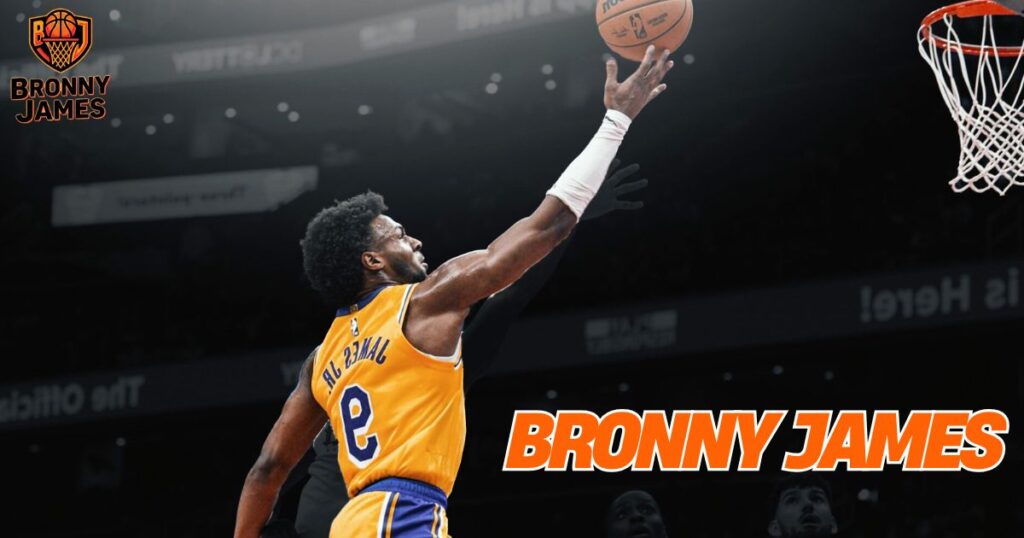
Bronny James was rarely able to separate competition from coverage

Early Public Perception vs. Reality

From a young age, Bronny James was often framed as “the next LeBron,” a narrative that oversimplified both his identity and his game. In reality, those closest to his development understood that his path would be different – slower, more nuanced, and less centered on individual dominance.

This disconnect between public perception and lived reality is a recurring theme in Bronny’s story. His early life was not about accelerated stardom, but about building a foundation strong enough to withstand scrutiny, comparison, and uncertainty.

That foundation – shaped by family, discipline, and early exposure to excellence – set the stage for every chapter that followed.

High School & College Basketball Journey

Bronny James’ basketball development cannot be understood through box scores alone. His journey through high school and into college was shaped by context, competition level, and role definition rather than individual dominance. To many evaluators, this phase of his career reveals more about his long-term potential than any highlight clip ever could.

High School Career at Sierra Canyon School

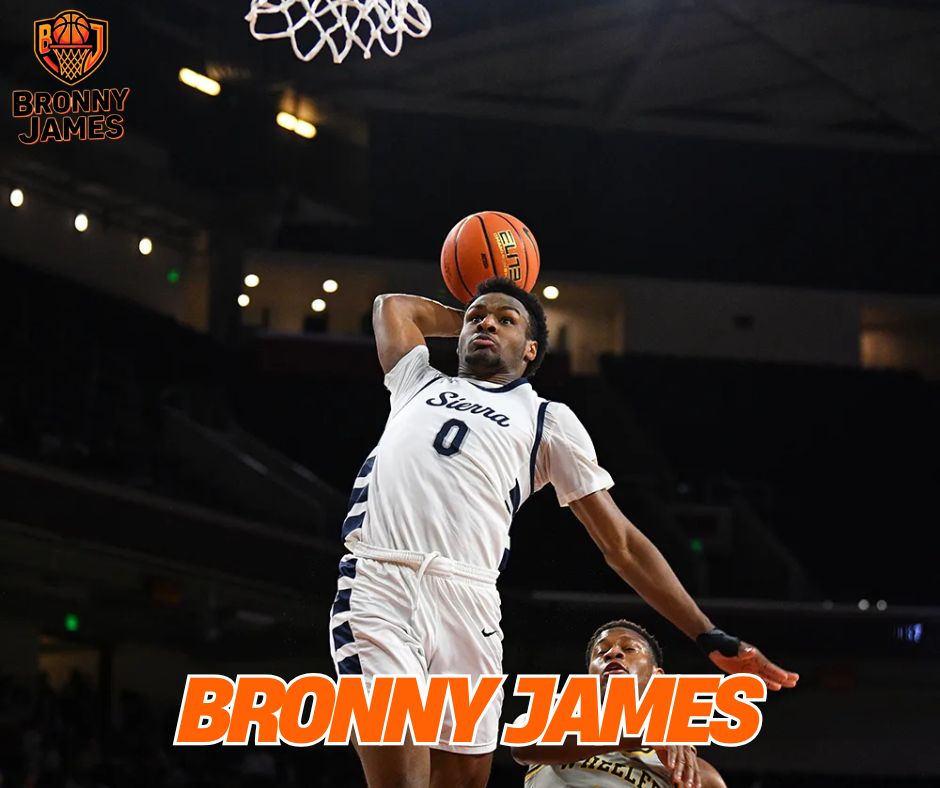
When Bronny enrolled at Sierra Canyon School in Chatsworth, California, he entered one of the most competitive high school basketball environments in the United States. The program routinely features multiple Division I prospects and operates under national scrutiny, with games broadcast and analyzed like college matchups.

Sierra Canyon also put him under national coverage early, something we unpack in Media.

Rather than being positioned as the centerpiece, Bronny was asked to adapt. His role emphasized efficiency, defensive awareness, and team-oriented decision-making. This environment forced him to compete for minutes alongside elite talent, accelerating his understanding of spacing, pace, and off-ball responsibility.

Key aspects of his high school role included:

  • Guarding opposing primary ball handlers
  • Initiating offense in secondary actions
  • Making quick reads rather than isolating

This approach limited raw scoring numbers but expanded his basketball maturity.

Selected High School Overview

Area Evaluation
Primary Role Two-way combo guard
Defensive Impact Above average
Offensive Usage Low to moderate
Coachability Consistently praised
LeBron James made a conscious effort to expose Bronny to reality
What His Playing Style Signals About His Future

Skill Development and Evolution in High School

As Bronny progressed through his high school years, noticeable improvements appeared in areas often overlooked by casual observers. His shooting mechanics became more consistent, his defensive footwork sharpened, and his understanding of team defensive schemes deepened.

What stood out most was his adaptability. When playing alongside ball-dominant teammates, Bronny adjusted without resistance. When asked to take on more responsibility, he responded with composure rather than force.

This versatility became one of his most valuable traits:

  • Comfortable playing on or off the ball
  • Willing defender against larger guards
  • Strong transition decision-maker

By his senior year, scouts increasingly viewed him as a guard capable of fitting into structured systems rather than a player reliant on individual freedom.

Recruitment Process and College Decision

Bronny’s recruitment unfolded under unique circumstances. While his last name guaranteed attention, it did not guarantee a predetermined destination. College programs evaluated him cautiously, balancing projection with readiness.

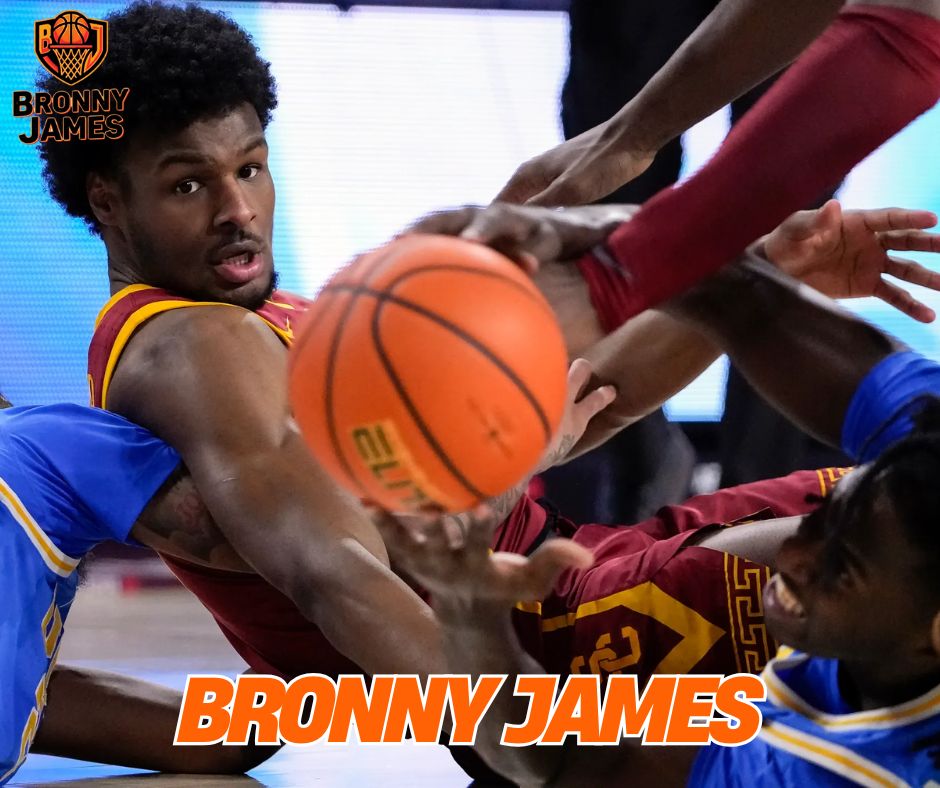
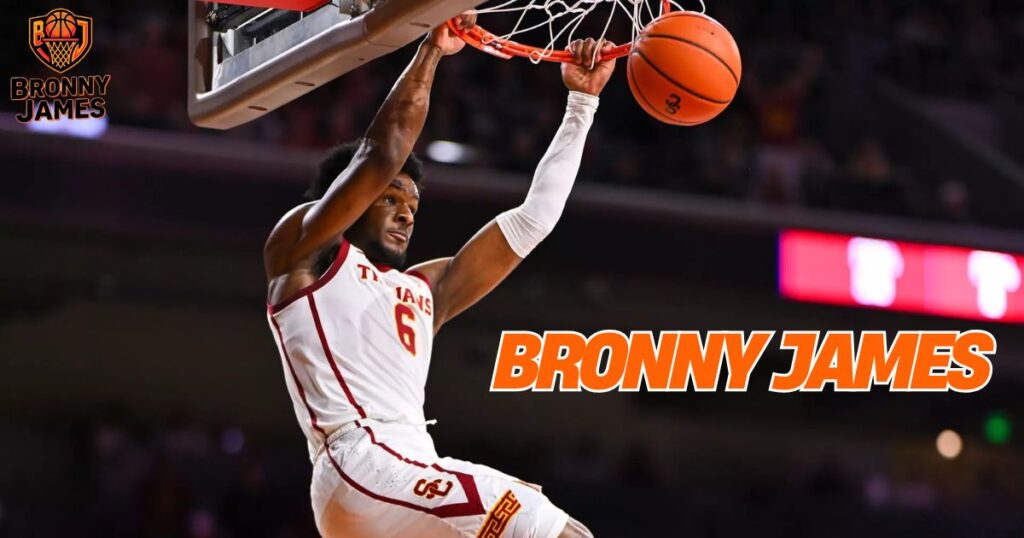
His decision to commit to USC reflected a desire for stability, development, and proximity to family. USC offered a system that valued defense, physicality, and structure – traits aligned with Bronny’s skill set.

Rather than choosing a program promising immediate stardom, Bronny chose one focused on long-term growth. This decision signaled maturity and self-awareness uncommon for players in his position.

Transition to College Basketball at USC

The jump from high school to college basketball is challenging for most players. For Bronny James, that transition was intensified by expectations, media scrutiny, and the need to re-establish himself within a new hierarchy.

At USC, his role became more clearly defined:

  • Defensive contributor on the perimeter
  • Low-usage offensive guard
  • Connector between primary scorers

Minutes were earned gradually. Coaches emphasized discipline, spacing, and defensive rotations. Bronny’s willingness to accept this role helped him integrate without disrupting team chemistry.

College Performance Context and Evaluation

Statistically, Bronny’s early college numbers did not leap off the page. However, within scouting circles, context mattered more than totals. Evaluators focused on how he impacted possessions rather than how often he finished them.

Areas frequently highlighted by analysts include:

  • Positional defense and anticipation
  • Ball security under pressure
  • Unselfish decision-making

While offensive assertiveness remains an area for growth, his foundational traits aligned with players who develop into reliable rotational contributors over time.

That context matters when projecting his fit – see our NBA Future analysis for the next-step outlook.

What High School and College Revealed About Bronny James

Taken together, Bronny James’ high school and college journey paints a picture of a player shaped by system, patience, and adaptability. Rather than dominating weaker competition, he consistently operated within demanding environments that tested his discipline and basketball IQ.

This phase of his career clarified several truths:

  • He thrives in structured systems
  • He values team success over individual spotlight
  • His development arc favors long-term progression

These qualities continue to inform how scouts, coaches, and fans project his future at the professional level.

Recruitment Process and College Decision

Playing Style, Strengths, and Basketball IQ

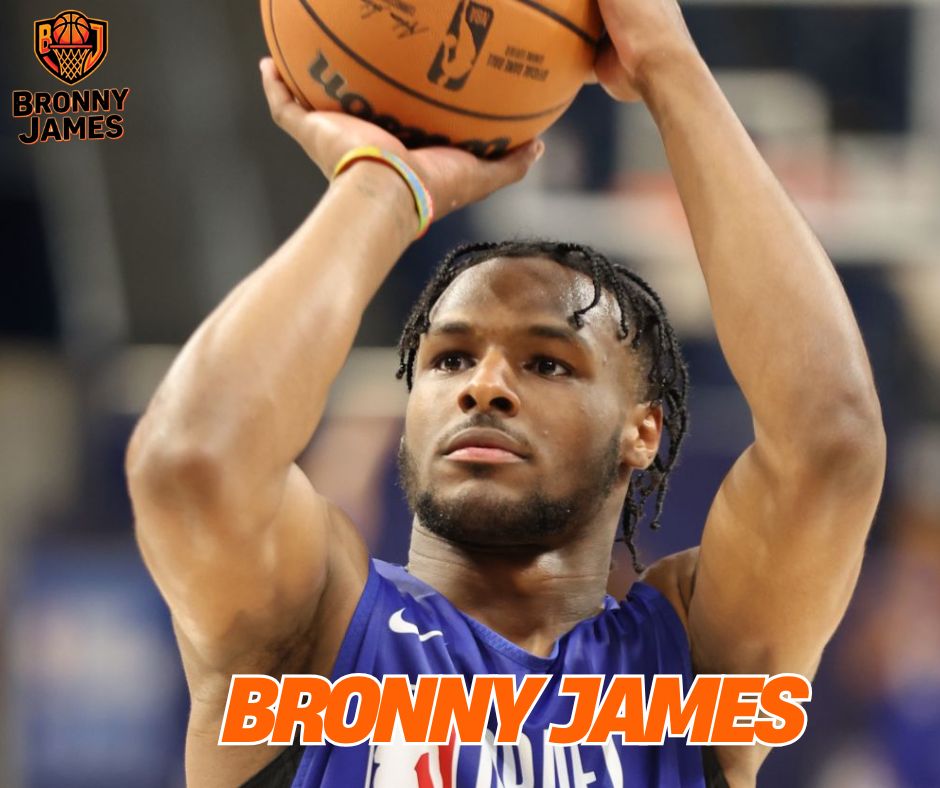
To understand Bronny James as a basketball player, it is necessary to move beyond surface-level expectations. He is not a volume scorer, nor does he rely on athletic dominance to control games. Instead, his value is rooted in subtle, repeatable actions – defensive positioning, decision-making, and an advanced understanding of team basketball.

Public Expectations and Identity Formation

Position, Role, and On-Court Identity

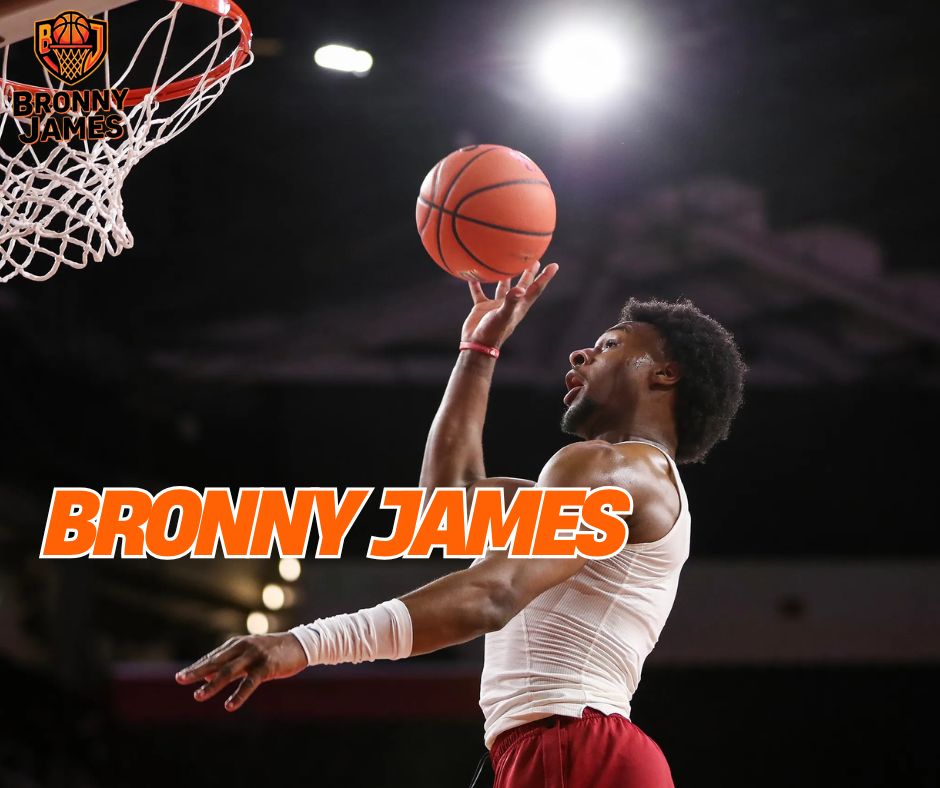
Bronny James primarily functions as a combo guard, capable of operating as either a secondary ball handler or an off-ball defender. His game is built around adaptability rather than specialization, allowing him to fit into multiple lineup constructions.

Rather than forcing possessions, Bronny plays within structure. He recognizes when to initiate, when to move the ball, and when to shift into a defensive mindset. This role flexibility is particularly valued in modern basketball systems, where guards are expected to read and react rather than dominate usage.

Defining aspects of his on-court identity include:

  • Comfort playing without the ball
  • Willingness to defend multiple perimeter positions
  • Low turnover tendencies

This approach reflects maturity and restraint – traits often developed through experience rather than raw talent.

Defensive Instincts and Two-Way Potential

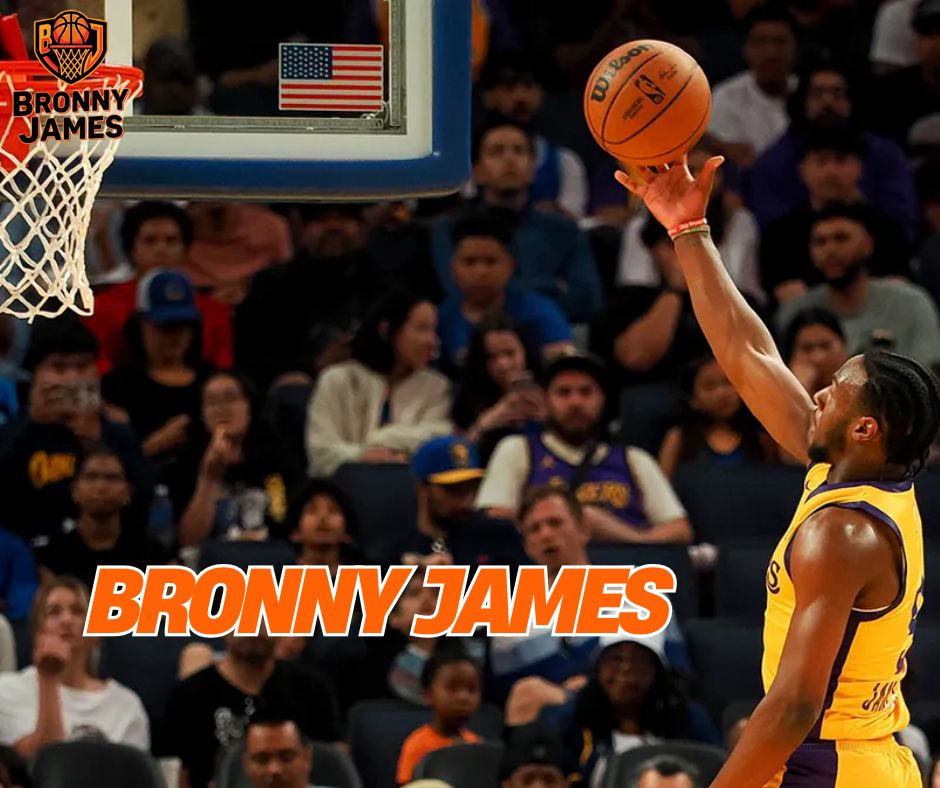
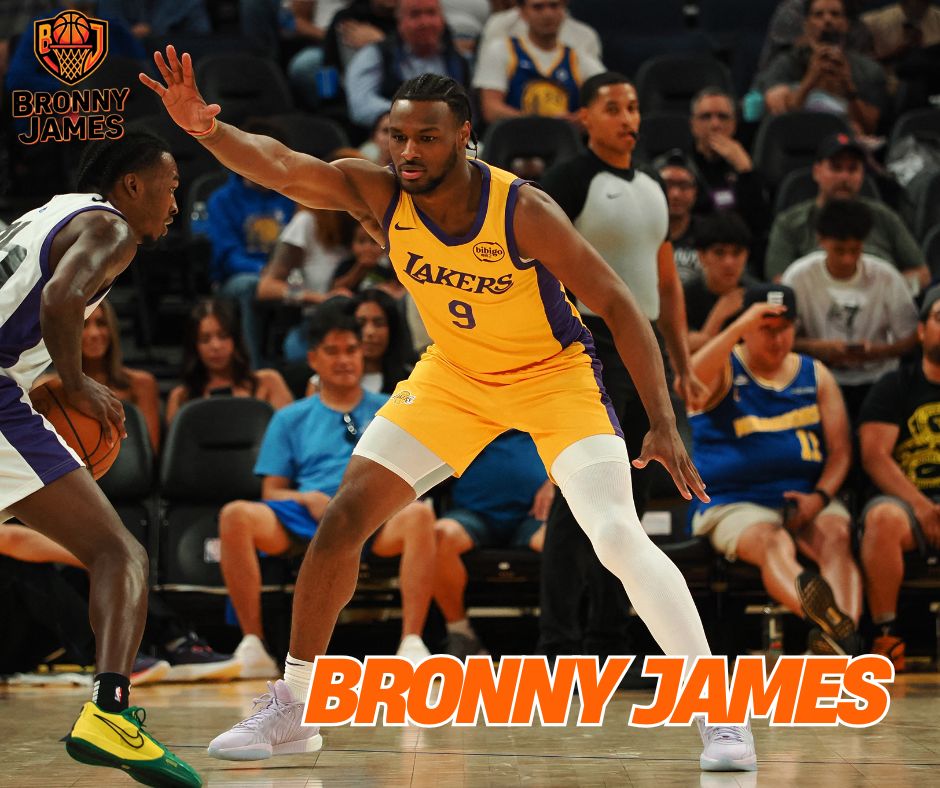
Defense is where Bronny James consistently separates himself from casual perceptions. His lateral movement, anticipation, and positional awareness allow him to disrupt opposing guards without overcommitting.

Rather than gambling for steals, Bronny focuses on containment and angles. He stays balanced, communicates within defensive schemes, and understands team rotations. These habits translate well to higher levels, where defensive reliability often determines playing time.

Commonly noted defensive strengths include:

  • Strong on-ball footwork
  • Effective closeouts without fouling
  • High awareness in help defense situations

This defensive mindset suggests long-term value as a two-way contributor rather than a situational scorer.

Those close to Bronny noted a shift in perspective following the incident

Offensive Game and Decision-Making

Offensively, Bronny’s game emphasizes efficiency and flow. He rarely forces shots and often prioritizes ball movement over personal rhythm. While this can limit scoring output, it enhances team cohesion and reduces defensive breakdowns.

His offensive contributions tend to appear in:

  • Quick swing passes to open shooters
  • Timely cuts when defenders overcommit
  • Controlled pace in transition situations

However, assertiveness remains a developmental focus. At times, Bronny defers even when opportunities exist, a tendency that reflects caution more than limitation.

bronny james square 9

Basketball IQ and Processing Speed

One of Bronny James’ most consistently praised attributes is his basketball IQ. He processes the game quickly, reads defensive coverage accurately, and adjusts in real time.

This cognitive approach is visible in how he:

  • Anticipates passing lanes
  • Maintains spacing discipline
  • Executes plays without hesitation

Rather than reacting late, Bronny often acts early – preventing problems before they emerge. This ability to think the game at a high level aligns with guards who sustain long professional careers through intelligence rather than physical dominance.

From a professional standpoint, the incident underscored the importance of long-term planning

Comparisons and Player Archetype

While comparisons are inevitable, Bronny James does not mirror his father’s style. Analysts more frequently associate his profile with guards known for impact without volume scoring.

Common stylistic comparisons include:

  • Jrue Holiday – defensive versatility and composure
  • Derrick White – influence through positioning and decision-making

These comparisons highlight potential roles rather than ceilings. Bronny’s game suggests value as a connector, stabilizer, and defensive presence within structured systems.

Areas for Growth and Long-Term Development

Despite his strengths, Bronny remains a developing player. Increased offensive confidence, shot creation, and assertiveness will determine how his role expands over time.

Key growth areas include:

  • Consistent perimeter shooting volume
  • Aggressiveness in attacking closeouts
  • Leadership voice on the floor

These improvements are achievable within patient development environments, reinforcing the idea that Bronny’s career trajectory favors steady progression rather than immediate stardom.

What His Playing Style Signals About His Future

Bronny James’ playing style reflects a player built for longevity rather than flash. His defensive instincts, basketball IQ, and adaptability position him as a guard who can earn trust at higher levels.

In an era where teams value versatility and decision-making, Bronny’s profile aligns with the demands of modern basketball. His success will likely come through reliability, discipline, and incremental growth – qualities that often define lasting professional careers.

Health Scare, Recovery, and Mental Resilience

For many athletes, a career is defined by performance. For Bronny James, one of the most defining moments arrived not through competition, but through vulnerability. The health scare he experienced in 2023 became a turning point – not only in how the public viewed his career, but in how his journey would be measured moving forward.

Comparisons and Player Archetype

The 2023 Medical Emergency: Context and Response

In the summer of 2023, Bronny James suffered a cardiac arrest during a basketball workout, an event that immediately paused his basketball activities and drew national attention. Within hours, speculation spread widely, reflecting both concern and uncertainty.

What followed, however, was a disciplined and medically grounded response. Bronny received immediate care, followed by extensive cardiovascular testing conducted by specialists. Public communication remained limited, prioritizing privacy and accuracy over narrative control.

Key elements of the response included:

  • Rapid medical intervention
  • Comprehensive diagnostic evaluation
  • Gradual, supervised recovery protocol

Rather than framing the incident as a crisis, those closest to Bronny approached it as a process – one defined by patience and expertise.

Physical Recovery and Medical Clearance

Recovery from a cardiac event is as much about caution as it is about progress. Bronny’s return to basketball was not rushed, nor was it treated as symbolic. Every step was governed by medical clearance and performance data.

As he progressed through rehabilitation:

  • Conditioning was reintroduced incrementally
  • Basketball activity resumed under supervision
  • Long-term health monitoring remained a priority

By the time he returned to competitive play, Bronny had been fully cleared by medical professionals. Importantly, his return was framed not as a comeback narrative, but as a continuation of a carefully managed development path.

Offensive Game and Decision-Making

Mental Strength and Emotional Adaptation

Beyond the physical aspects, the psychological dimension of the recovery proved equally significant. For a young athlete already accustomed to scrutiny, confronting personal vulnerability in the public eye required emotional maturity.

Those close to Bronny noted a shift in perspective following the incident. Competition remained important, but it was no longer the sole measure of progress. Health, balance, and longevity took on greater meaning.

This experience reinforced several qualities:

  • Emotional resilience under uncertainty
  • Increased self-awareness
  • Appreciation for incremental progress

Rather than eroding confidence, the experience appeared to deepen Bronny’s sense of purpose and composure.

Impact on Public Perception and Career Narrative

The health scare reshaped how fans and analysts viewed Bronny James. Conversations shifted from expectation to empathy, and from projection to context. While some questioned how the event might affect his career trajectory, others recognized the resilience required simply to return.

Importantly, the incident highlighted a truth often overlooked in sports narratives: development is not linear. For Bronny, the recovery period became part of his identity – not as a limitation, but as a testament to discipline and perseverance.

Long-Term Implications for Athletic Development

From a professional standpoint, the incident underscored the importance of long-term planning. Teams, coaches, and evaluators increasingly view health management as a core component of player development.

For Bronny James, this chapter emphasized:

  • The value of sustainable progress
  • The importance of mental balance
  • The necessity of listening to one’s body

These lessons align closely with the modern understanding of athlete longevity, reinforcing his potential to build a career defined by durability and awareness.

Bronny James's Playing Style

Resilience as a Defining Character Trait

Ultimately, this chapter of Bronny James’ story is less about interruption and more about adaptation. His response – measured, disciplined, and forward-looking – revealed a level of maturity that statistics alone cannot capture.

In many ways, the health scare clarified what kind of athlete Bronny is becoming: one who understands that strength is not measured solely by endurance, but by the ability to navigate uncertainty with clarity and resolve.

Media Attention, NIL Deals, and Public Image

Bronny James belongs to a generation of athletes whose careers unfold in real time across digital platforms. For him, basketball performance has always existed alongside constant media exposure, brand conversations, and public interpretation. Navigating this environment has become an essential part of his development – not as a distraction, but as a parallel responsibility.

bronny james best picture

Life Under Continuous Media Attention

From a young age, Bronny James was rarely able to separate competition from coverage. Youth tournaments, high school games, and college appearances often drew national headlines simply because of his presence. Over time, this attention became less of an event and more of a background condition.

What distinguishes Bronny’s approach is restraint. Rather than engaging with every narrative, he maintains a low-profile public demeanor. Interviews are measured, social media posts are limited, and messaging remains controlled. This approach contrasts with the expectation that young athletes must constantly amplify their visibility.

Observers often note that Bronny appears comfortable with attention without actively seeking it – a balance that reflects intentional guidance and personal discipline.

Navigating the NIL Era

The introduction of Name, Image, and Likeness (NIL) rights fundamentally changed college athletics in the United States. For Bronny James, NIL opportunities arrived early and prominently, positioning him at the center of broader discussions about fairness, influence, and market value.

Rather than maximizing volume, his NIL strategy appears selective. Partnerships with established brands emphasized credibility over novelty. These agreements reflected his cultural relevance while maintaining alignment with long-term personal branding.

Common characteristics of his NIL presence include:

  • Association with globally recognized companies
  • Minimal overexposure
  • Consistent, brand-safe image

This measured approach suggests an understanding that reputation, once established, carries lasting implications.

Social Media Presence and Fan Engagement

Bronny’s social media platforms attract millions of followers, yet his engagement style remains notably understated. Posts tend to focus on training moments, team achievements, or personal milestones rather than commentary or controversy.

This approach shapes how fans perceive him:

  • More reserved than performative
  • Focused on progression rather than validation
  • Comfortable with silence during high-attention moments

In an era where visibility often equates to influence, Bronny’s restraint stands out as a strategic choice rather than an absence of personality.

Public Expectations and Identity Formation

One of the most complex challenges Bronny faces is the ongoing comparison to his father. Public discourse frequently frames his career through legacy rather than individuality, creating narratives that can overshadow personal growth.

Rather than confronting these narratives directly, Bronny has largely allowed his actions to speak. His development suggests an understanding that identity is built through consistency rather than declaration.

This quiet approach reflects a broader shift in athlete branding – one where authenticity is demonstrated over time, not announced.

bronny james best picture

Media Narrative vs. Personal Reality

Media narratives often simplify careers into digestible arcs. For Bronny James, these narratives rarely capture the full context of his journey. Behind the headlines lies a daily routine defined by practice, preparation, and gradual improvement.

Those close to him frequently emphasize that his focus remains internal. External validation, while unavoidable, does not appear to drive his decision-making. This internal orientation may ultimately prove to be one of his greatest assets.

Public Image as a Long-Term Asset

Bronny James’ public image is still forming. Rather than rushing to define it, he appears content allowing it to evolve naturally. This patience aligns with the broader trajectory of his basketball career – measured, intentional, and grounded.

In a sports landscape increasingly shaped by visibility and branding, Bronny’s approach suggests a belief that longevity is built not through noise, but through trust and consistency.

NBA Draft Outlook, Development Path, and Future Potential

When evaluating Bronny James’ future, the most important question is not whether he will reach the NBA, but how he will fit once he arrives. His career trajectory does not follow the traditional arc of high-usage prospects or instant-impact rookies. Instead, it reflects a development-first model increasingly favored by modern organizations.

bronny james best picture

NBA Draft Considerations and League Perception

Within NBA scouting circles, Bronny James is viewed as a developmental prospect. His appeal lies less in immediate production and more in traits that translate across systems – defensive reliability, basketball intelligence, and coachability.

Scouts often emphasize context when discussing his draft value. Playing limited offensive roles in structured environments has shaped how evaluators interpret his ceiling. Rather than focusing solely on scoring, teams assess his ability to complement star talent and maintain lineup balance.

Attributes frequently highlighted in draft discussions include:

  • Perimeter defense and positional versatility
  • Low-risk decision-making
  • Strong work ethic and adaptability

While opinions on his draft range vary, there is growing consensus that his profile aligns with long-term rotational development rather than instant stardom.

Development Path: NBA, G League, and Beyond

For many players like Bronny James, development does not occur exclusively at the NBA level. The modern pathway often includes the G League, two-way contracts, and incremental role expansion.

This model suits Bronny’s strengths:

  • Time to refine offensive assertiveness
  • Opportunity to gain reps against professional competition
  • Structured environments that reward discipline

Rather than being seen as a detour, this path reflects how organizations now cultivate durable contributors. Bronny’s skill set – particularly on defense – positions him well for these environments.

The Possibility of Playing Alongside LeBron James

One of the most discussed aspects of Bronny’s future involves the potential to play alongside his father. While this narrative captures public imagination, teams approach it pragmatically.

From a basketball perspective, such a scenario would require alignment of timing, role, and organizational fit. More importantly, Bronny’s long-term value remains independent of any symbolic pairing.

Front offices increasingly focus on:

  • Individual development trajectory
  • Health and availability
  • Fit within broader roster construction

While the possibility remains, it does not define his professional evaluation.

Long-Term Ceiling and Realistic Projection

Projecting Bronny James’ ceiling requires separating expectation from probability. He is unlikely to become a franchise centerpiece, but that does not diminish his potential impact.

Realistic projections often describe:

  • A reliable defensive guard
  • A connective piece in structured offenses
  • A player who earns minutes through trust rather than volume

These roles are essential to winning teams and often sustain longer careers than high-usage scorers without defensive consistency.

Legacy Beyond the Last Name

Perhaps the most important aspect of Bronny James’ future is how his career will ultimately be defined. While his last name will always carry weight, his journey increasingly reflects independence rather than inheritance.

By embracing development, restraint, and adaptability, Bronny is crafting a path that prioritizes longevity and credibility. His legacy may not mirror his father’s, but it does not need to.

Instead, it may represent a new model of athlete success – one built on intelligence, resilience, and an understanding that growth is measured over time.

bronny james best picture

Conclusion

Bronny James stands at the intersection of legacy and individuality. His career thus far reflects a deliberate effort to balance expectation with authenticity, development with patience, and visibility with substance.

Rather than chasing immediate validation, Bronny continues to invest in the fundamentals of long-term success. In doing so, he offers a compelling example of how modern basketball careers are shaped – not by noise, but by preparation, perspective, and resilience.

News

Bronny James Development Path to the NBA | Progression

Bronny James development path to the NBA is best understood as a long-term process rather [...]

Bronny James NBA Potential | Role, Fit & Projection

Bronny James NBA potential has been one of the most debated topics surrounding his career, [...]

Bronny James Mental Toughness | Resilience & Mindset

Bronny James mental toughness is often discussed, but rarely defined with clarity. In a sports [...]